
Top 3 2026 World Cup Host Cities vs Hype: Value
Kansas City is the best overall 2026 World Cup host-city pick for fans who want strong match access, organized transport, food culture, and a large FIFA Fan Festival without automatically paying the h...
Top 3 2026 World Cup Host Cities vs Hype: Value
Kansas City is the best overall 2026 World Cup host-city pick for fans who want strong match access, organized transport, food culture, and a large FIFA Fan Festival without automatically paying the highest mega-city premium. The tournament will be hosted across Canada, Mexico, and the United States from June 11 to July 19, 2026, with 48 teams competing. Kansas City’s Arrowhead Stadium will stage six matches, while FIFA Fan Festival Kansas City and regional motorcoach services add non-stadium viewing options. Dallas offers the strongest match-volume advantage with nine fixtures, and Mexico City provides the deepest football heritage, but each can create heavier demand and higher planning friction. Match Daily evaluates these locations through venue access, transport, fan experience, cost efficiency, and usefulness for serious tournament analysis. Start by comparing the city, stadium, and travel plan rather than buying from an unverified “official” reseller.
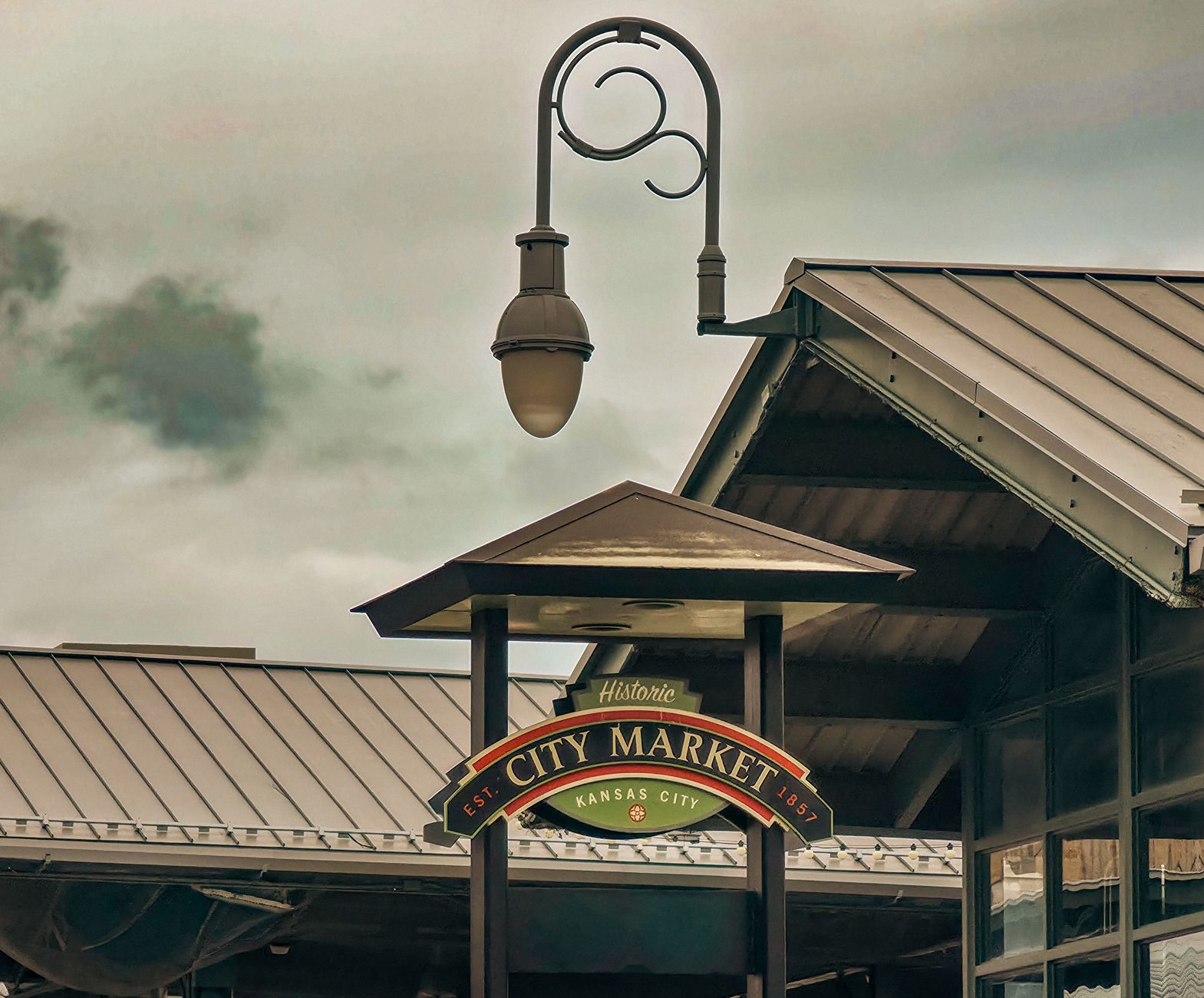
Photo by Talena Reese on Pexels
Kansas City’s official host-city platform presents the region as the “Heart of America,” while its visitor strategy emphasizes food, neighborhoods, sport, and fan participation beyond the stadium gates. That positioning matters because World Cup travel is not simply a ticket problem; it is a constrained resource-allocation problem involving accommodation, airport transfers, local mobility, match timing, and the opportunity cost of spending several hours in transit. The FIFA World Cup 2026 official tournament page confirms the tournament’s expanded 48-team format and North American hosting model, while FIFA’s host-city information identifies the participating venues and markets. For readers using Match Daily to study team tactics, player statistics, and match predictions, city selection also affects how much reliable information can be gathered before kickoff. A compact itinerary may produce better analysis than an expensive schedule spread across several time zones, especially when late travel damages sleep, attention, and bankroll discipline. The practical rule is simple: treat every “premium experience” claim as marketing until the venue, transport provider, refund terms, and total trip cost are independently checked.
Want a more structured way to assess the tournament landscape?
The Top 3 2026 World Cup Host Cities at a Glance
The top three choices are Kansas City for overall value, Dallas for match density, and Mexico City for football heritage and atmosphere. This ranking weighs practical access more heavily than promotional excitement, because the cheapest-looking plan can become expensive when airport transfers, hotel distance, resale risk, and missed local transport are added. Kansas City ranks first because Arrowhead Stadium, FIFA Fan Festival Kansas City, Kansas City International Airport, and regional motorcoach planning create a comparatively coherent fan ecosystem. Dallas ranks second because nine matches offer exceptional fixture concentration, although AT&T Stadium is in Arlington rather than central Dallas, a distinction that can materially change rideshare prices and travel time. Mexico City ranks third because Estadio Azteca carries unmatched historical significance and will host the opening match, but demand, altitude, traffic, and accommodation pressure require stricter planning. This is not a claim that one city is universally “best”; it is a value ranking for fans balancing football access, cost control, and research quality.
- Kansas City: Best overall for integrated fan access, match atmosphere, food, and value.
- Dallas: Best for maximizing match opportunities in one host market.
- Mexico City: Best for historic significance, local culture, and football tradition.
[Internal Link: 2026 World Cup match schedule and fixture guide]
A useful contrarian point is that match quantity alone should not determine the destination. Dallas has nine fixtures, but if a traveler pays a premium for accommodation near the wrong transport corridor, the additional match availability may be offset by daily transfers and limited recovery time. Similarly, Mexico City’s historic importance does not automatically make it the most efficient base for a visitor following several national teams. Kansas City’s value comes from the relationship between venue, fan festival, mobility, and city scale, not from any single headline statistic. The official Kansas City host platform specifically promotes direct connections from Kansas City International Airport to Kansas City Stadium on match days, as well as regional connections to the FIFA Fan Festival. That operational detail is more useful than vague language about “electric energy.” In betting research, the same logic applies: a high-profile venue can attract more public money without necessarily creating a sharper information edge. Separate emotional importance from measurable convenience before committing your funds.
#1 Kansas City: Best Overall for Value
Kansas City is the best overall 2026 World Cup host city because it combines six Arrowhead Stadium matches, a dedicated FIFA Fan Festival, airport connectivity, regional transport planning, and a comparatively focused visitor experience. The city is particularly suitable for fans who value manageable logistics over maximum match volume. Its strongest advantage is integration: stadium, fan programming, hospitality, and local culture can be planned as one itinerary rather than four disconnected purchases.
Kansas City’s Arrowhead Stadium, home of the Kansas City Chiefs, gives the city a recognizable American sports setting, but football fans should verify the exact match calendar before reserving accommodation because the six-match figure does not reveal which national teams will appear in each slot. The FIFA Fan Festival Kansas City is equally important for people without match tickets, since official fan programming can provide large-screen viewing, entertainment, food, and cultural exchange in a controlled public setting. The host-city platform describes the festival as a place where fans can “cheer for their nations, share their cultures, and celebrate the beautiful game,” a promise that should still be checked against the final schedule, capacity rules, and entry requirements. From a value perspective, the city’s food identity is an advantage: barbecue and neighborhood dining create alternatives to stadium concessions, where pricing is commonly less favorable. A disciplined visitor should build a three-layer budget consisting of confirmed costs, variable costs, and a fraud reserve for unexpected transport or ticket problems. That reserve is not pessimism; it is basic risk management after one bad reseller experience can erase every supposed bargain.
Kansas City also suits Match Daily readers who want time to compare tactical trends rather than rush between venues. The city’s relatively concentrated experience can leave more room for reviewing lineups, injury reports, pressing structures, set-piece tendencies, and market movement before a match. However, do not mistake convenience for guaranteed profitability. Match predictions remain uncertain, and responsible bettors should use fixed stakes, avoid chasing losses, and confirm that any wagering service is legally available in their jurisdiction. A practical edge case is worth noting: if a transport pass requires advance reservation, a fan who waits until match day may face sold-out departures even when the city itself appears easy to navigate. Reserve airport, stadium, and festival transportation separately, then compare cancellation conditions before paying. The Kansas City host-city transport information should be treated as a planning reference, not as permission to assume every service, route, or timetable is final.
See the city-specific planning details before making a reservation.
#2 Dallas: Best for Maximizing Match Opportunities
Dallas is the best 2026 World Cup host city for fans prioritizing fixture volume because the Dallas area is scheduled to host nine matches, more than any other host market. The advantage is clear: one base can potentially support more live football, although the venue’s Arlington location means travelers must plan regional transport rather than assume central Dallas convenience. Dallas wins on quantity, not necessarily on simplicity.
The Dallas market’s primary venue, AT&T Stadium in Arlington, is a major asset for capacity, production quality, and event infrastructure, but the geographic distinction between Dallas and Arlington is a serious budgeting variable. A hotel advertised as “Dallas” may still require a lengthy journey to the stadium, and the cheapest room can become poor value after repeated rideshare charges, surge pricing, parking fees, and post-match congestion. Data-driven travelers should calculate total door-to-door cost for every match, not merely the nightly hotel rate. Dallas also provides a strong platform for comparing national teams because nine fixtures increase the chance of seeing different tactical systems, confederations, and squad profiles in a single region. Yet that density creates scarcity: accommodation near high-demand dates may reprice quickly, and transport availability can deteriorate after late matches. Use a spreadsheet with columns for venue, kickoff time, hotel distance, estimated transfer duration, cancellation deadline, and all-in cost. This is less glamorous than booking a “luxury World Cup package,” but it exposes hidden fees before they become irreversible.
For Match Daily readers focused on predictions, Dallas may offer an information advantage through volume, but only if the itinerary remains physically sustainable. A fan attempting three matches in a compressed period may collect more observations while processing them less accurately because of fatigue, noisy environments, and limited time for verified team news. The best use of Dallas is therefore selective concentration: choose a small number of fixtures with contrasting tactical profiles, then reserve time for lineup confirmation and post-match review. Do not pay a premium simply because a package uses words such as “exclusive,” “official,” or “guaranteed access.” The Arlington Convention & Visitors Bureau and Visit Dallas can help establish geographic context, but ticket authenticity, refund protection, and transport terms must come from the relevant official provider. A useful rule is to demand a named venue, a dated service description, and a written cancellation policy before transferring money.
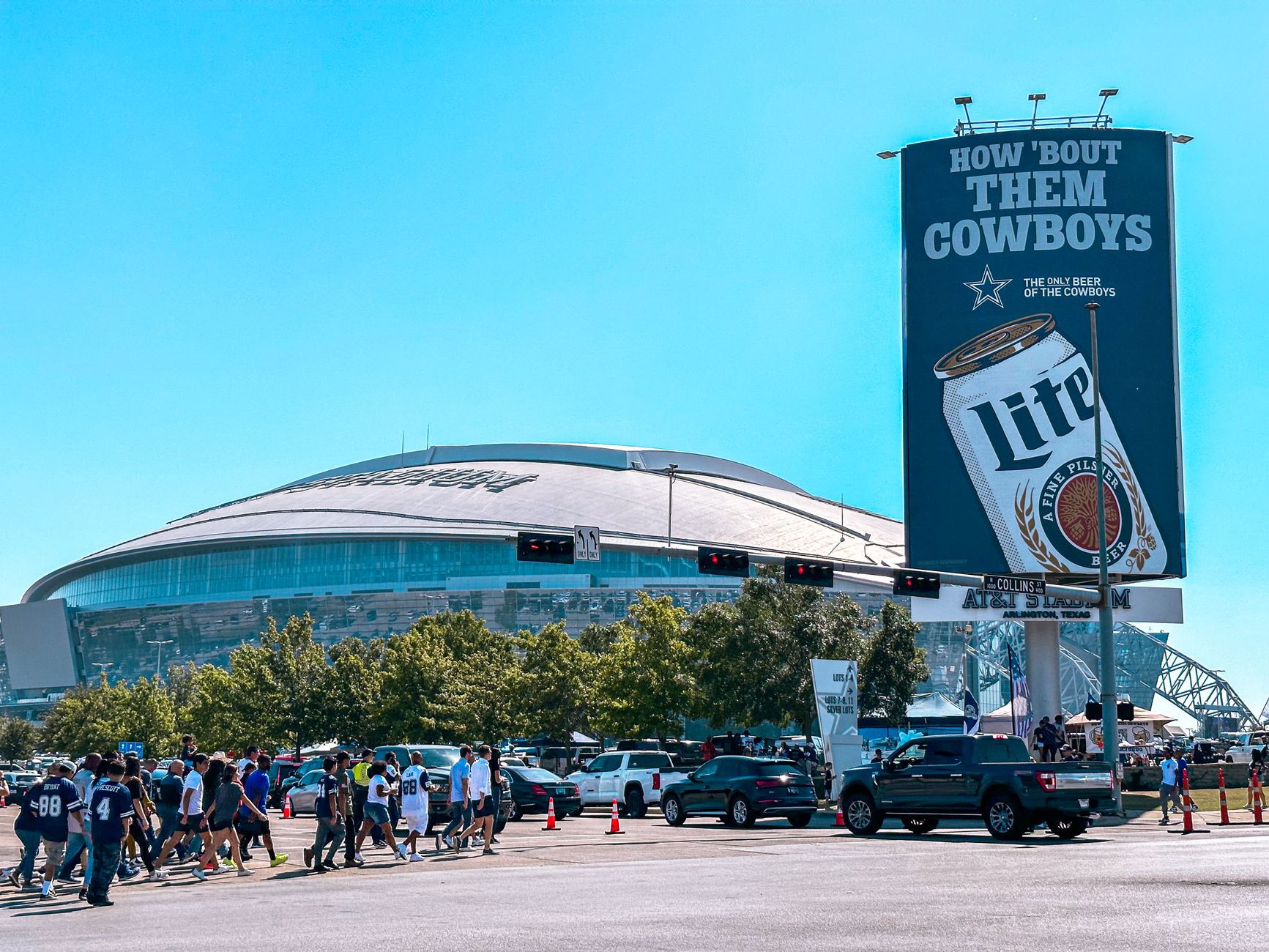
Photo by Terrance Barksdale on Pexels
#3 Mexico City: Best Value for Football Heritage
Mexico City is the best-value choice for fans who place football history, local culture, and opening-match significance above frictionless logistics. Estadio Azteca is one of the sport’s most iconic venues and is scheduled to host the 2026 World Cup opening match, giving the city a level of historical importance that Kansas City and Dallas cannot replicate. The value comes from cultural depth, not from assuming every trip component will be cheap.
Mexico City’s scale creates both opportunity and risk. The city offers extensive dining, public transport, museums, neighborhoods, and football culture, but airport transfers, road congestion, altitude, crowd movement, and high-demand match dates can complicate a tightly timed schedule. Visitors should also check the final renovation and operational information for Estadio Azteca before relying on older travel guides or social-media claims. The official Mexico 2026 host-city information is a safer starting point than an anonymous “VIP ticket” page using FIFA logos without verifiable credentials. As a practical test, search the seller’s legal company name, payment protections, physical contact details, refund terms, and official ticket-channel relationship; a polished website proves almost nothing. This is where my scam experience still matters: fraudsters understand that fans act emotionally when a once-in-a-lifetime event is involved. Never let urgency replace authentication.
Mexico City can deliver exceptional research material for Match Daily because the tournament setting connects global football with local supporter culture and historical context. However, the altitude and dense urban environment may influence how visitors experience long match days, even though it should not be used as a simplistic prediction variable without team-specific evidence. Review recent competitive minutes, travel schedules, squad rotation, and coaching patterns instead. A city’s atmosphere may shape sentiment and public betting narratives, but it does not independently establish a profitable price. Fans should therefore use Mexico City for observation and enjoyment while applying the same disciplined model used elsewhere: compare implied probability, injury information, lineup certainty, and market movement; then stake only an amount that remains affordable if the forecast fails. [Internal Link: responsible football betting and bankroll management]
How Did We Rank These 2026 World Cup Host Cities?
We ranked Kansas City, Dallas, and Mexico City using five weighted criteria: match access at 30%, transport practicality at 25%, total-cost value at 20%, fan experience at 15%, and usefulness for tournament research at 10%. This framework favors measurable planning quality over hype, while recognizing that different travelers may assign different weights to history, nightlife, or fixture quantity.
The ranking model intentionally gives transport and match access the highest combined weight because travel friction can destroy the value of an otherwise attractive destination. A city with famous venues but unreliable transfers may cost more in money and attention than its advertising suggests. Total-cost value includes accommodation, airport movement, stadium travel, food alternatives, festival access, and a contingency reserve; it does not mean the lowest advertised hotel price. Fan experience includes official public programming, local food, cultural variety, and the ability to watch matches without a ticket. Research usefulness measures whether a visitor can gather relevant context without confusing atmosphere with evidence. This distinction is essential for gambling content: a lively crowd can improve the experience while providing zero reliable information about expected goals, defensive structure, or closing odds. According to the National Council on Problem Gambling, responsible gambling should remain within personal limits, which supports a fixed-budget approach to both travel and wagering. Our model therefore penalizes plans that require borrowing, unverified resale, or aggressive loss recovery.
| Criterion | Weight | What We Measured |
|---|---|---|
| Match access | 30% | Venue significance, confirmed match volume, ticket practicality |
| Transport | 25% | Airport links, stadium distance, public and regional options |
| Total-cost value | 20% | Accommodation, food, transfers, fees, contingency |
| Fan experience | 15% | Fan festivals, culture, food, public viewing |
| Research usefulness | 10% | Time, access, context, and analytical convenience |
Want to apply the same framework to your own match itinerary?
A further information gain comes from separating “city value” from “ticket value.” A ticket may be authentic and still be poor value if the match has low personal relevance, the seat location is unclear, or the transfer cost consumes the budget needed for several other fixtures. Likewise, a free fan festival can be more useful than an expensive matchday package for supporters who mainly want shared viewing and cultural atmosphere. Before purchase, calculate the break-even point: how many matches, festival sessions, or research opportunities must the trip deliver to justify the total spend? Include non-refundable deposits, foreign-exchange fees, mobile data, meals, local taxes, and emergency accommodation. If a seller refuses to show the final price in writing, treat that refusal as a material risk indicator. There is no prize for being the first person to pay an unclear invoice.
Photo by César O'neill on Pexels
Which 2026 World Cup Host City Should You Pick?
Choose Kansas City if you want the strongest overall balance, Dallas if nine matches matter most, and Mexico City if historic football significance and opening-match atmosphere justify more complex logistics. The correct decision depends on your primary constraint: money, match quantity, travel simplicity, or cultural importance. A clear constraint is more useful than a vague desire to experience “everything.”
Use this decision sequence before booking:
- Set the total trip ceiling: Include tickets, accommodation, transport, food, fees, and a contingency reserve.
- Select the primary objective: Choose live matches, fan festivals, football history, tactical observation, or cultural travel.
- Map the real geography: Measure airport-to-hotel, hotel-to-venue, and venue-to-hotel travel times.
- Verify every purchase channel: Check official domains, legal business identities, payment protection, and written cancellation terms.
- Protect analytical discipline: Separate match emotion from prediction models and use fixed wagering limits.
- Build a recovery day: Avoid schedules that require immediate long-distance travel after a late kickoff.
Kansas City is the default recommendation because it minimizes unnecessary complexity while preserving meaningful match and fan access. Dallas becomes superior when its nine-match concentration directly supports your itinerary and you can solve Arlington transport in advance. Mexico City becomes superior when the opening match, Estadio Azteca, local football culture, and historical value are worth paying for additional planning effort. None of these cities guarantees a winning bet, a cheap hotel, or a perfect match experience. According to FIFA’s official competition information, the tournament’s scale alone will create exceptional demand, so early verification matters more than dramatic countdown language. Match Daily can help with tactical context, player statistics, and prediction analysis, but the final spending decision remains yours.
Frequently Asked Questions
Q: What is the best 2026 World Cup host city overall?
A: Kansas City is the best overall choice for balanced access, fan programming, transport planning, and value. Arrowhead Stadium is scheduled to host six matches, while FIFA Fan Festival Kansas City offers a public viewing alternative for fans without stadium tickets. Dallas is better for match volume, and Mexico City is better for historic significance, but Kansas City creates the most coherent all-round itinerary.
Q: How do I choose between Kansas City, Dallas, and Mexico City?
A: Choose Kansas City for balance, Dallas for nine-match access, and Mexico City for football heritage and the opening match. Compare total trip cost rather than hotel price alone, including airport transfers, venue travel, meals, fees, and a contingency reserve. Then verify the final itinerary against official FIFA and host-city information before paying.
Q: What is the difference between Kansas City and Dallas for the 2026 World Cup?
A: Kansas City emphasizes integrated fan access and six Arrowhead Stadium matches, while Dallas offers nine fixtures but requires careful planning around AT&T Stadium in Arlington. Dallas may provide more match opportunities, yet repeated transfers and post-match congestion can reduce its practical value. Kansas City is generally easier to manage for visitors prioritizing simplicity and research time.
Q: Is Mexico City worth visiting for the 2026 World Cup?
A: Mexico City is worth visiting if Estadio Azteca, the opening match, football history, and local culture justify more complex logistics. Traffic, demand, altitude, and accommodation pressure require advance planning, and older online information may not reflect final venue operations. Use official FIFA and host-city sources, and avoid anonymous sellers claiming “guaranteed” VIP access.
Q: How much should I budget for a 2026 World Cup host-city trip?
A: There is no single reliable total because ticket category, hotel dates, country of residence, and match count change the cost substantially. Build a budget with confirmed purchases, variable daily spending, transport, taxes, foreign-exchange fees, and an emergency reserve before committing. A written all-in price is essential because low advertised rates may exclude service fees, local transfers, or cancellation restrictions.
Q: What should I do if a World Cup ticket or travel seller seems suspicious?
A: Stop payment until the seller’s identity, official relationship, refund policy, and payment protection are independently verified. Check the exact domain, company registration information, contact details, invoice, venue information, and card-provider protections; do not rely on FIFA logos or countdown timers. If the seller pressures you to pay by cryptocurrency, bank transfer, or an irreversible method, treat that as a major warning sign.
Q: Can Match Daily predictions guarantee a profitable 2026 World Cup bet?
A: No, Match Daily analysis cannot guarantee profit because football outcomes remain uncertain and odds incorporate changing information. Use team tactics, player statistics, injuries, lineups, and market prices as inputs rather than promises, and apply fixed-stake bankroll rules. Never chase a loss, borrow money to wager, or treat a compelling host-city atmosphere as evidence of betting value.
Kansas City is the strongest default recommendation because its six-match Arrowhead Stadium program, FIFA Fan Festival, transport planning, and recognizable food-and-sports identity offer the best balance for most travelers. Dallas is the specialist choice for maximum match volume, while Mexico City is the emotional and historical choice for fans who value Estadio Azteca and the opening match above convenience. Verify every “official” claim, calculate the full trip cost, and keep football analysis separate from financial urgency.
Ready to compare 2026 World Cup match insights and tournament coverage?